|
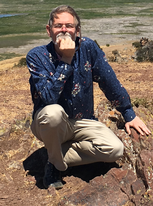
Stephen (Steve) Dixon
Boy, I communicated terribly if I left the impression that I thought, because Walnut Hills was integrated when we went there, that racism was not really a problem in the 1920's, or 30's, or 50's & 60's, or now.
I was, in fact, trying to say just the opposite and to express my wonderment at how Walnut could have been such an anomaly way back before Brown v Board. In my experience, school boards do not tend to be trendsetters in terms of progressivism. They tend to lag behind advancing social consciousness, often by a decade or two.
Having lived my first seven years in Kentucky and the last forty-one in Georgia, I am probably more acutely aware of the active daily perniciousness of racial prejudice than most of you. Phil, I lived four years about 3.5 miles from the spot in downtown Marietta, GA where one of the most famous lynchings in state history took place. I know the history. I was here when Maynard Jackson was elected the first black mayor of Atlanta and had to listen to a cacophony of idiot comments throughout his entire administration, as well as every mayor since.
I've had probably fifty people tell me, over the years, "You can't go into Downtown Atlanta after 6:00 at night!" Of course, on further discussion, you find out that these idiots haven't been in Downtown Atlanta after 6:00 PM in thirty years, if ever. And when I tell them that I have been to numerous meetings there that let out at 9:30 or 10:00, that I took my soon to plenty of Hawks basketball and Flames hockey games at The Omni, and we walked a few blocks to our car a late as 11:00 without incident, it doesn't change their perspective one iota. Spooky myths have a powerful attraction. That's what made the Brothers Grimm famous.
The question I was trying to pose is "How, in a national environment that took at least until the mid 70's to come to the point of generally desegregated public schools, did Cincinnati decide to take the steps that it did so much earlier? And how did that happen without the kind of public disorder that eventually occurred in so many other places?
Like I said, I don't remember the fact that we would be going from all-white Mt. Washington Elementary to integrated Walnut Hills in the 7th grade to have even been a topic, at home or among those of us in my class who were headed there. It seems it wasn't an issue on anybody's mind, in anybody's household. It was never mentioned to me. The thing that worried me was that everybody there was supposed to be damn smart. Which turned out to not be a myth, at all.
I am not putting all that forth as exemplary of the way things were in the nation. My sense of history and my personal experience outside of Cincinnati was just the opposite. The polar opposite.
During my awful senior year at Briarcliff High, my Economics teacher preferred triggering a classroom debate to actually teaching us anything about Economics. (You begin to see the difference in focus between Braircliff & Walnut?) It was a pretty conservative, very affluent, markedly Southern and highly prejudiced crowd. The looming specter of the busing of majority-to-minority transfers, beginning the next school year, was a frequent topic. I earned the sobriquet "The Carpetbagger" after several me against everybody debates. In case you are wondering, Carpetbagger was not, at that time, a term of respect in the south. The climate at Walnut Hills could not have been more diametrically opposed. And I don't know where else in the country the Walnut experience was being duplicated. It probably was. I just don't know and have never set out to do research on it. Perhaps I will.
Maybe we all ought to collaborate on a book: The Walnut Hills Experience
|


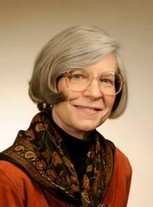
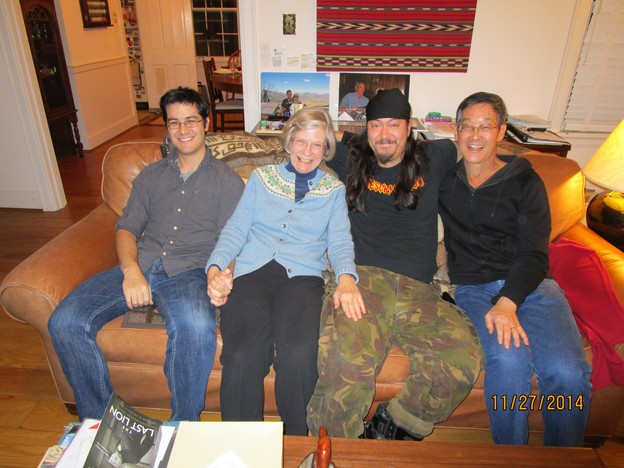

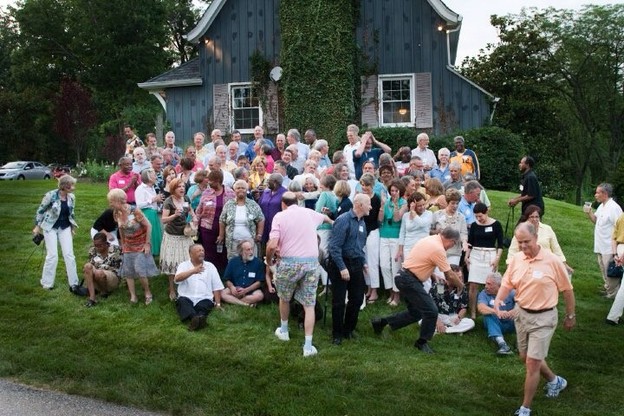

 is the article itself. You might have to enlarge your screen to read it more easily, a "Command +" control on a Mac and god only knows what on a PC whatever that is.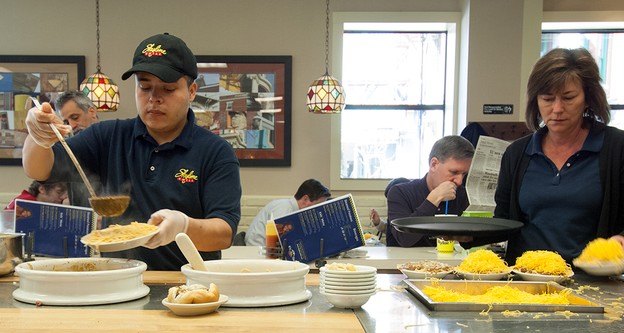
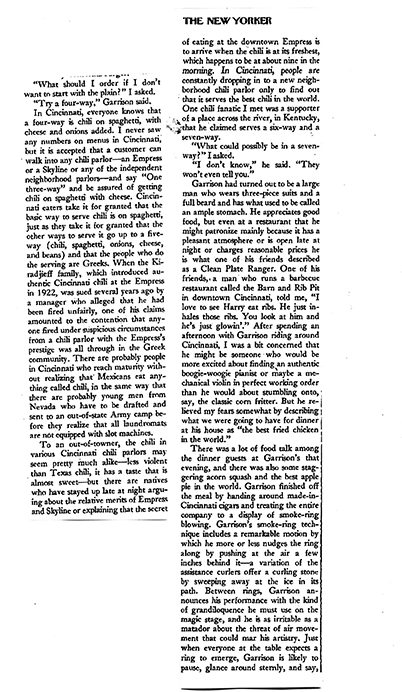 A
A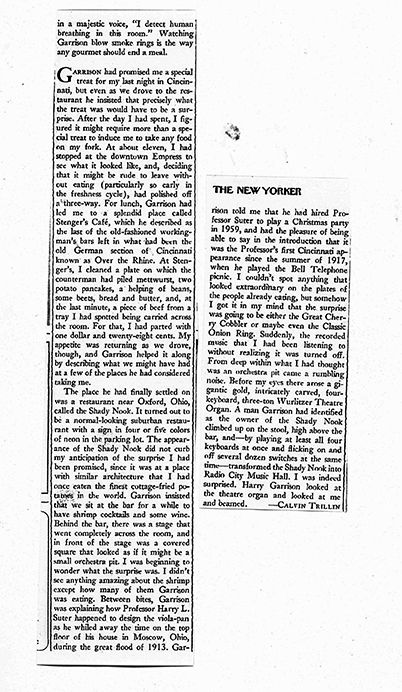 And in conclusion, I'm submitting one more photograph. The artist Dale Chihuly created a set of these magificent heirloom pieces for me years ago, and I treasure them now as I have for the past thirty-one years. If I told you where I stored them I would have to kill all of you, and neither one of us wants that, so we're all better off just keeping this secret.
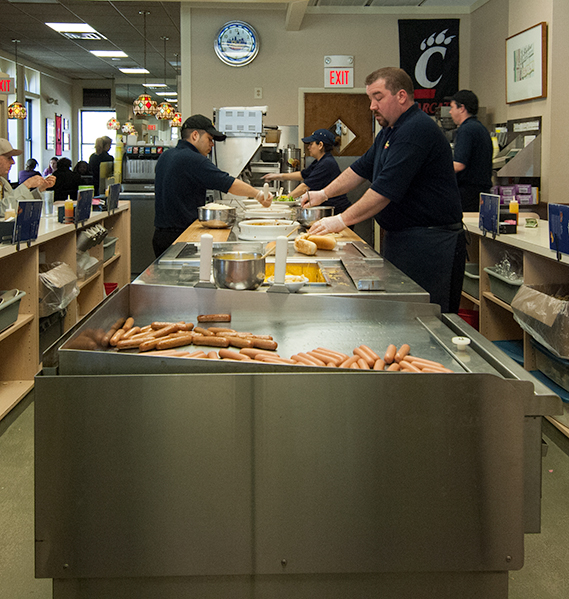
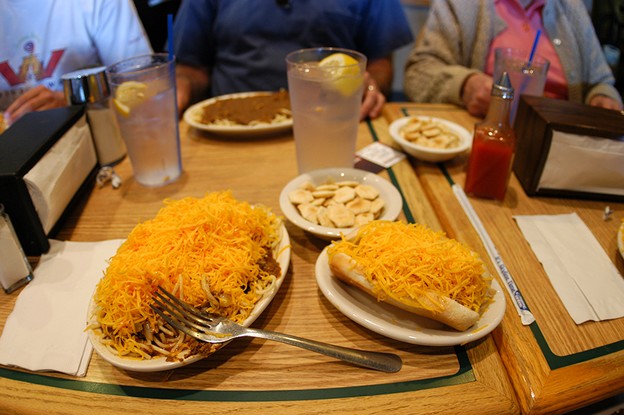
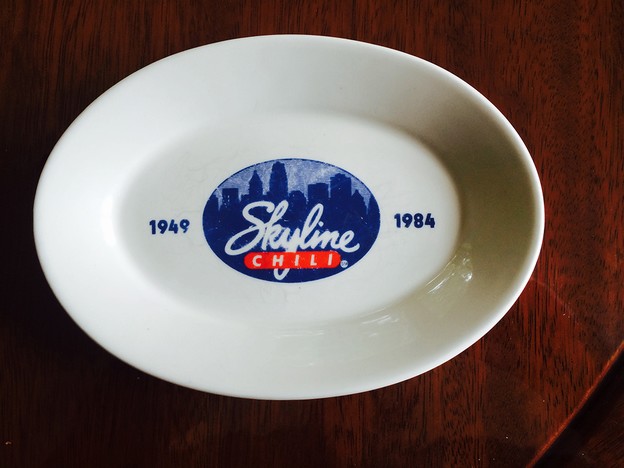 PS. During a Giants-Reds rain delay several years ago, the Giants TV announcer paused and said, 'Folks, there's something really unusual about Cincinnati. Everyone goes to these little chili parlors that are all over town. He paused, looked around, then added, 'picture Alpo dipped in kerosene."


 .
.